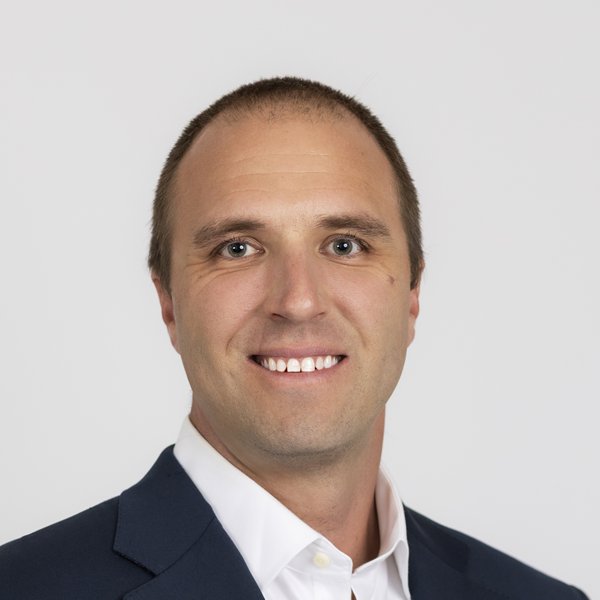
By Jay Prigmore II, Ph.D., P.E. Last reviewed · Prepared and reviewed by a licensed Professional Engineer
Electrical power engineer, forensic investigator, and testifying expert. Doctorate in power engineering, Professional Engineer in 18 states, and a member of the IEEE 1584 working group and an NFPA technical committee.
By Jay Prigmore II, Ph.D., P.E. Last reviewed · Prepared and reviewed by a licensed Professional Engineer
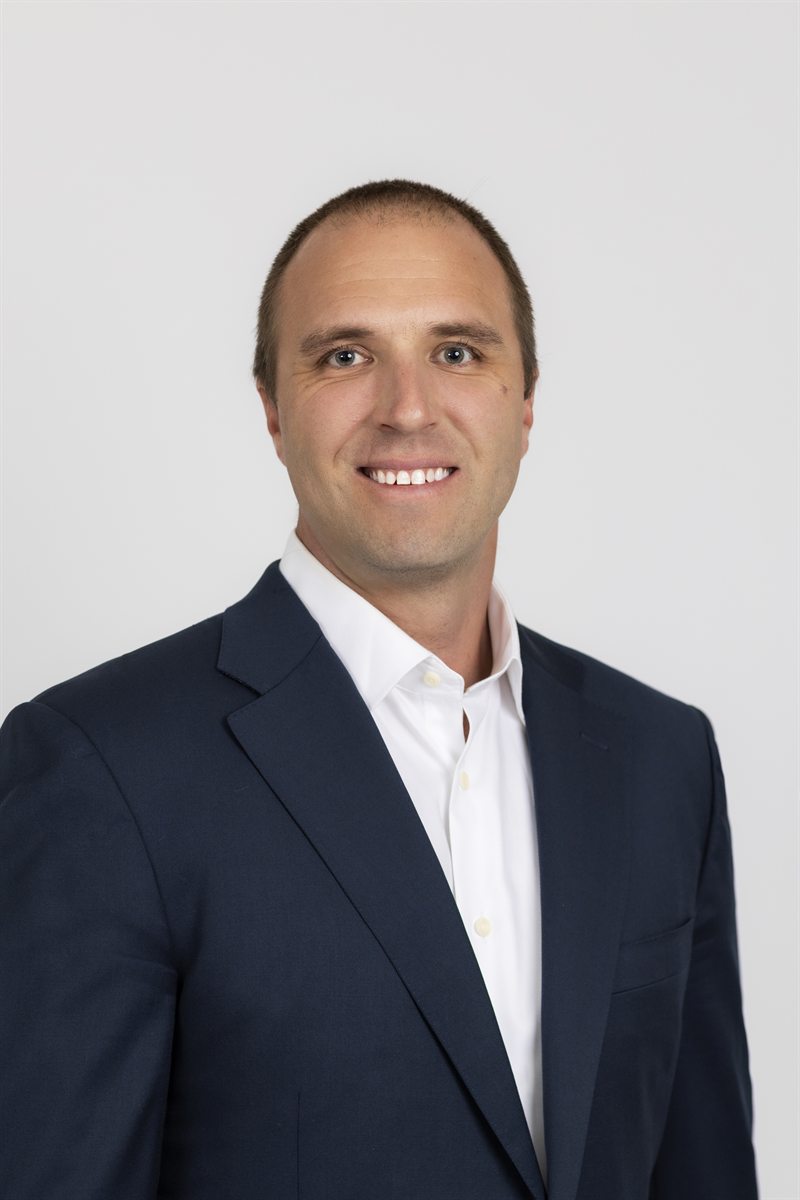
Jay Prigmore holds a doctorate in electrical power engineering and a Professional Engineer license in 18 states. Over his career he has led or directed more than 400 forensic investigations into electrical fires, equipment failures, and injuries, and has testified at deposition, trial, or arbitration in over fifteen matters, including matters with over $1 billion in potential dispute value.
Jay has been a voting member of the IEEE 1584 working group since 2016, which develops and revises the IEEE guide for arc flash hazard calculations, and a founding member of the NFPA Technical Committee on Electrical Inspection Practices, which develops NFPA 78 and NFPA 1078. That work gives him a working knowledge of how the guide’s equations were developed and where the model’s limits are.
From 2020 to 2025 he led electrical quality and field reliability engineering for a global hyperscale data center fleet, building the incident-response and forensic-analysis functions that investigate failures across live, mission-critical infrastructure at scale.
| Ph.D., Electrical Engineering (Power) | Arizona State University |
| M.S., Electrical Engineering (Power) | Arizona State University |
| B.S., Electrical Engineering | Lamar University |
Doctoral work was conducted in ASU’s power engineering program from 2010 to 2013. The relevance to forensic work is direct: a dispute about whether an incident-energy calculation, a protection setting, or a transformer thermal model was performed correctly is a dispute about the derivation, not about the software that ran it. The open derivations published at PowerEngCalc exist for the same reason: anyone, including opposing counsel’s expert, should be able to check the arithmetic.
Twelve years across product development, forensic consulting, and hyperscale operations before founding PEFG.
Founded PEFG to hold forensic investigation, expert witness, and power system engineering work under one Illinois professional limited liability company. Every engagement is scoped, analyzed, reported, and testified to personally. There is no junior staff performing the analysis and no principal signing work they did not do.
Leads the electrical engineering team at SiTESPAN, LLC, a Kansas-based engineering firm headquartered in Lenexa, since October 2025. Designs electrical power systems for data centers, commercial buildings, telecom facilities, and generating stations, and leads investigative projects and retrofit, upgrade, and replacement designs for power system equipment: generators, transformers, circuit breakers, protective relays, and circuit protection. Performs arc flash studies and develops design and construction documents.
Led electrical quality and field reliability engineering for a global hyperscale data center fleet. Built the incident-response and forensic-analysis teams that investigate electrical failures across live, mission-critical infrastructure: medium-voltage distribution, switchgear, transformers, generators, UPS and DC systems. This gave sustained exposure to how equipment fails in service across a large equipment population.
Led and directed forensic technical investigations into electrical fires, equipment failures, and personal injury incidents, and served as testifying expert in over fifteen litigation and arbitration matters. Work spanned origin-and-cause fire investigation, arc flash injury reconstruction, product defect analysis, protection and coordination disputes, and standard-of-care opinions.
Medium-voltage switchgear and protection product development. Helped engineer an arc-flash mitigation device that won Plant Engineering Magazine’s Product of the Year for electrical safety in 2015. Design, type testing, and failure analysis of switching and protection apparatus, the manufacturer’s side of the equipment that later becomes the subject of a claim.
Doctoral and masters research in electrical power engineering, including fault current limiting and power apparatus modeling.
Licensed as a Professional Engineer in 18 states, with additional states available on request through NCEES record submittal and application. Because active-versus-lapsed status is a legitimate cross-examination point, PEFG furnishes a current, state-by-state licensure schedule with every retention letter instead of publishing a list that can go stale between renewals. Engineering opinions and sealed deliverables are rendered only in jurisdictions where the license is active at the time of the work.
Opinions in this practice are anchored to published standards. The documents most often controlling are NFPA 70 (NEC), NFPA 70E, NFPA 921 for fire investigation methodology, the National Electrical Safety Code (IEEE C2), IEEE 1584, IEEE 242 (Buff Book), IEEE 399 (Brown Book), and the IEEE C37 and C57 apparatus series.
The equipment, analyses, and software behind the opinions.
A complete publication and presentation list, including conference papers and technical presentations, is maintained on the publications and presentations page.
Materials that retaining counsel normally needs early are prepared as a standard package and provided on request, at no cost:
PEFG accepts retention from either side of a dispute (plaintiff and defense counsel, insurers, owners, and manufacturers) and is not aligned with a single side of the bar. A conflict check and retention letter can typically be turned around within one to two business days, which matters when physical evidence is at risk of being cleaned, scrapped, or repaired.
Direct principal access. CV, testimony list, and rate schedule furnished with the conflict check.